Equipment by Application
Different dosage forms require different manufacturing processes, equipment configurations, and quality considerations.
Explore equipment requirements for common pharmaceutical and compounding applications.
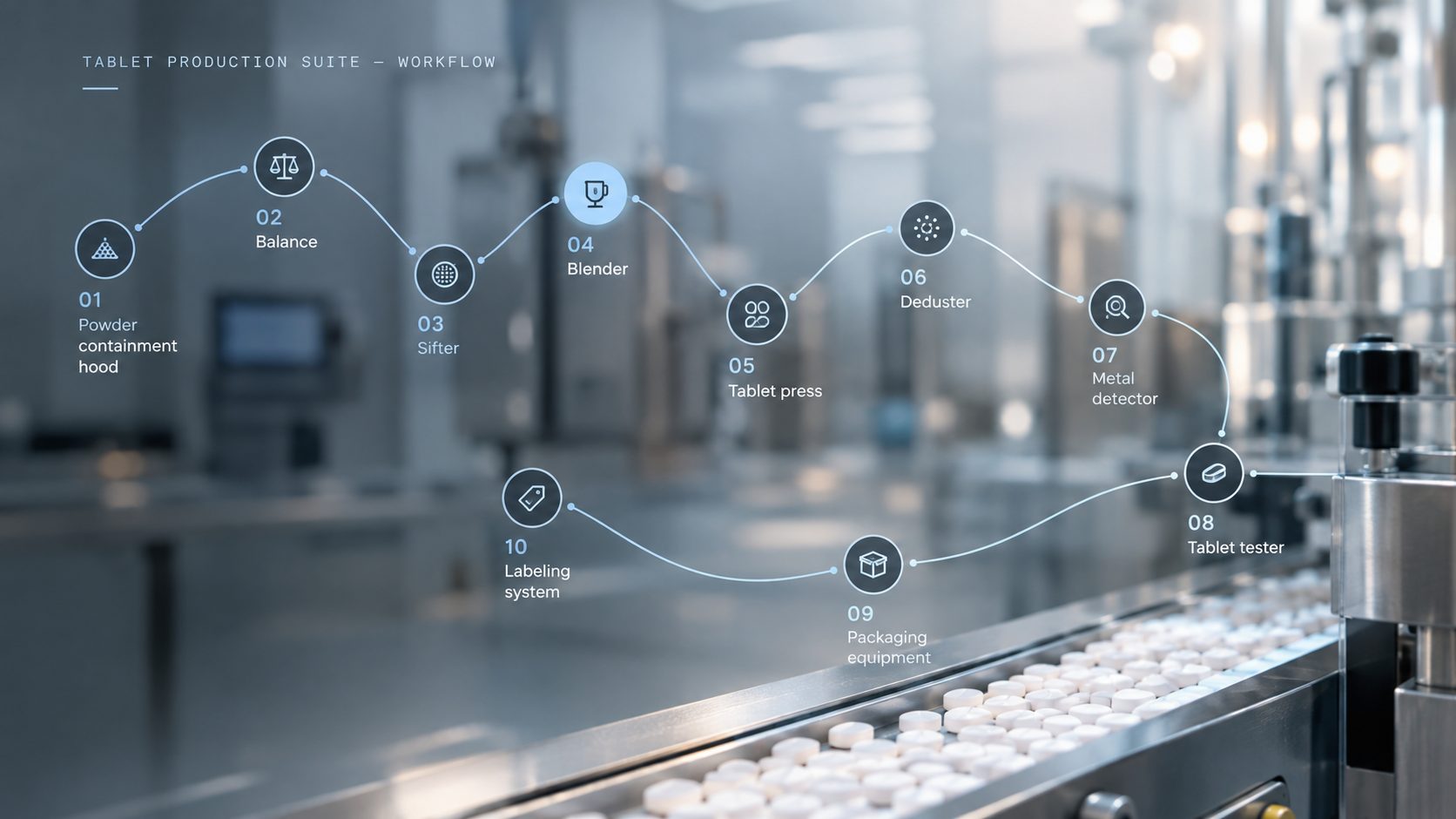
EIGHT DOSAGE FORMS — SELECT ONE TO JUMP TO ITS SECTION
-
01 07 STEPS
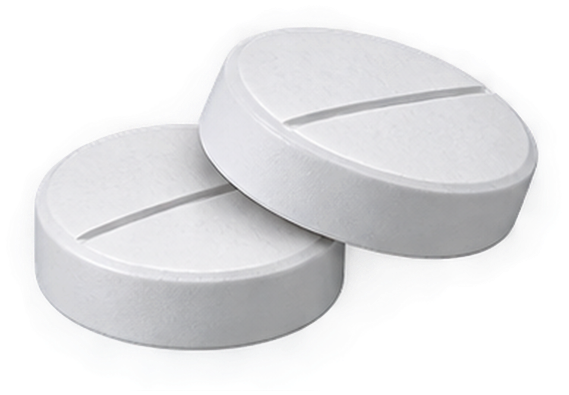
Tablets
Compressed solid doses where powder flow, compressibility and tooling drive equipment choice.
Weigh → Sift → Blend → Compress → Dedust → Test → Package
VIEW TABLETS -
02 07 STEPS
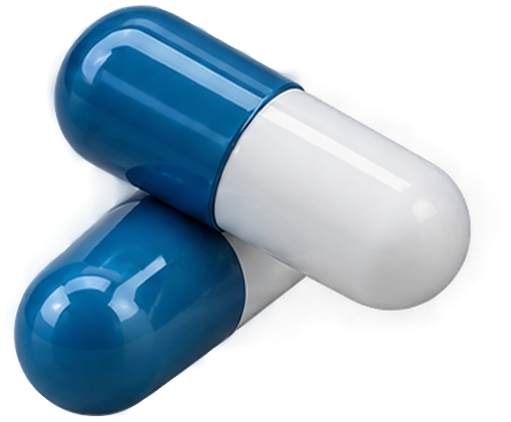
Capsules
Powder or pellet fills dosed into hard capsules, where fill-weight consistency is central.
Weigh → Sift → Blend → Fill → Polish → Inspect → Package
VIEW CAPSULES -
03 07 STEPS
Creams
Emulsions produced by controlled heating, mixing and homogenization before tube or jar filling.
Weigh → Heat → Mix → Homogenize → Deaerate → Fill → Seal
VIEW CREAMS -
04 06 STEPS
Gels
Viscous single-phase systems that need low-shear mixing, deaeration and accurate filling.
Weigh → Disperse → Mix → Deaerate → Fill → Seal
VIEW GELS -
05 07 STEPS
Liquids
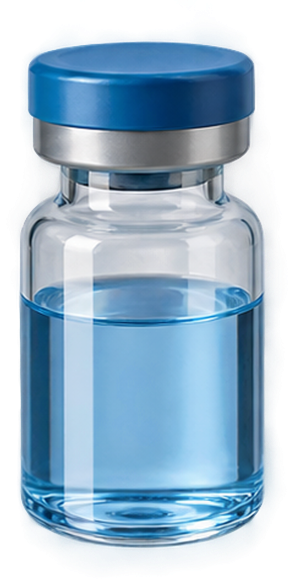
Solutions and suspensions prepared in tanks, filtered where required and filled into bottles.
Weigh → Mix → Filter → Hold → Fill → Cap → Label
VIEW LIQUIDS -
06 07 STEPS
Troches
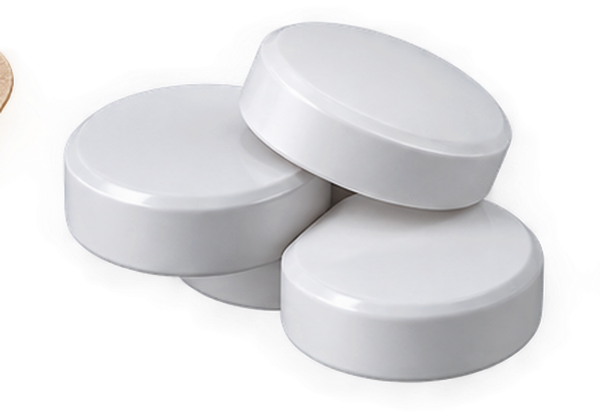
Molded lozenges made by melting a base, incorporating actives and filling molds.
Weigh → Blend → Melt → Mold → Cool → Demold → Package
VIEW TROCHES -
07 06 STEPS
ODT
Orally disintegrating tablets, typically formed by direct dosing into blisters or by compression.
Weigh → Blend → Dose → Dry → Seal → Inspect
VIEW ODT -
08 06 STEPS
Powders
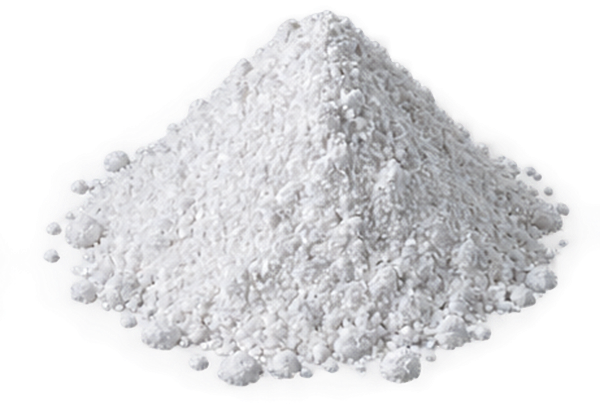
Oral or topical powders where particle size, blending uniformity and dosing accuracy matter.
Weigh → Mill → Sift → Blend → Fill → Seal
VIEW POWDERS

Process sequences shown are representative planning examples, not universal or validated manufacturing instructions. Equipment needs and process steps vary by formulation and regulatory requirements.
Tablets
Tablets are formed by compressing a blended powder or granulate. Powder flow and compressibility decide much of the process, from how the blend is prepared to which press and tooling suit it.
REPRESENTATIVE PROCESS
- 01Weigh
- 02Sift
- 03Blend
- 04Compress
- 05Dedust
- 06Test
- 07Package
EQUIPMENT COMMONLY INVOLVED
SELECTION CONSIDERATIONS
- Powder flow and compressibility
- Tablet size, shape and markings
- Batch size and press output
- Tooling compatibility
- In-process testing
Capsules
Capsule production involves preparing a suitable fill formulation, achieving consistent dosing, and selecting equipment appropriate to the desired production scale.
REPRESENTATIVE PROCESS
- 01Weigh
- 02Sift
- 03Blend
- 04Fill
- 05Polish
- 06Inspect
- 07Package
EQUIPMENT COMMONLY INVOLVED
SELECTION CONSIDERATIONS
- Powder flow characteristics
- Fill-weight consistency
- Capsule size
- Production throughput
- Cleaning and changeover
Creams
Creams are emulsions of oil and water phases. They are usually made with heating, controlled mixing and homogenization, then deaerated and filled into tubes or jars.
REPRESENTATIVE PROCESS
- 01Weigh
- 02Heat
- 03Mix
- 04Homogenize
- 05Deaerate
- 06Fill
- 07Seal
EQUIPMENT COMMONLY INVOLVED
SELECTION CONSIDERATIONS
- Emulsion stability
- Heating and cooling profile
- Viscosity and shear
- Air entrapment
- Fill format
Gels
Gels are viscous, often single-phase systems. Gelling agents need careful dispersion, and low-shear mixing with deaeration helps avoid trapped air before filling.
REPRESENTATIVE PROCESS
- 01Weigh
- 02Disperse
- 03Mix
- 04Deaerate
- 05Fill
- 06Seal
EQUIPMENT COMMONLY INVOLVED
SELECTION CONSIDERATIONS
- Gelling agent dispersion
- Viscosity build
- Air entrapment
- Clarity and appearance
- Fill format
Liquids
Oral solutions and suspensions are compounded in tanks with controlled mixing. Solutions may be filtered; suspensions need mixing that keeps particles evenly distributed through filling.
REPRESENTATIVE PROCESS
- 01Weigh
- 02Mix
- 03Filter
- 04Hold
- 05Fill
- 06Cap
- 07Label
EQUIPMENT COMMONLY INVOLVED
SELECTION CONSIDERATIONS
- Solution or suspension
- Batch volume
- Filtration needs
- Fill accuracy
- Container and closure
Troches
Troches are molded lozenges. A base is melted, the active ingredients are incorporated, and the mixture is poured into molds and cooled before demolding and packing.
REPRESENTATIVE PROCESS
- 01Weigh
- 02Blend
- 03Melt
- 04Mold
- 05Cool
- 06Demold
- 07Package
EQUIPMENT COMMONLY INVOLVED
SELECTION CONSIDERATIONS
- Base melting behaviour
- Dose uniformity in molds
- Cooling time
- Product fragility
- Packaging protection
ODT
Orally disintegrating tablets dissolve quickly in the mouth. They may be produced by compression of specialised blends or by dosing a slurry into blisters followed by drying.
REPRESENTATIVE PROCESS
- 01Weigh
- 02Blend
- 03Dose
- 04Dry
- 05Seal
- 06Inspect
EQUIPMENT COMMONLY INVOLVED
SELECTION CONSIDERATIONS
- Production route
- Moisture sensitivity
- Mechanical fragility
- Disintegration requirements
- Packaging protection
Powders
Oral and topical powders are dispensed as powder rather than formed into units. Particle size, blend uniformity and accurate filling are the main process concerns.
REPRESENTATIVE PROCESS
- 01Weigh
- 02Mill
- 03Sift
- 04Blend
- 05Fill
- 06Seal
EQUIPMENT COMMONLY INVOLVED
SELECTION CONSIDERATIONS
- Particle size
- Blend uniformity
- Dust and exposure control
- Fill accuracy
- Moisture protection
The formulation shapes the equipment. Start there.
If material properties or the processing route are not settled yet, formulation development can come before equipment selection.
Formulation developmentThe Dosage Form Sets the Process
A solid oral dose is built around powder behaviour and compression. A topical is built around mixing, viscosity and fill. These differences determine which equipment families a project needs.
- Solid oral
- Powder preparation, blending and dose formation by compression, encapsulation or molding, followed by testing. TABLETS · CAPSULES · ODT · TROCHES · POWDERS
- Semisolid
- Heating, mixing and homogenization to a stable consistency, then tube or jar filling and sealing. CREAMS · GELS
- Liquid
- Compounding in tanks with controlled mixing, optional filtration, then bottle filling, capping and labeling. LIQUIDS
Tell Us What You Are Producing
Share your dosage form, expected batch size and development stage. We can help evaluate the equipment the process is likely to require.